
Are you feeling a bit lost when looking at houses that aren’t part of a normal sale? You might see terms like “distressed property” or “bank-owned” and wonder what they really mean. In the world of real estate, two big words often pop up: short sale vs foreclosure. While they both involve a homeowner who is struggling to pay their mortgage, they are very different from paths.
If you are a buyer looking for a deal or a seller trying to save your credit, knowing these differences is vital. As we move through 2026, the housing market is shifting. Interest rates are slowly cooling, but many people still feel the squeeze of high prices from previous years. Let’s break down the short sale vs foreclosure debate in simple terms so you can make the best choice for your family.
What is the difference between a short sale and a foreclosure?
The main way to tell them apart is by looking at who is in the driver’s seat. In a short sale, the homeowner is still the one selling the house. However, they owe more money to the bank than the house is worth. They have to ask the bank for permission to sell it for less (or “short”) of the total debt.
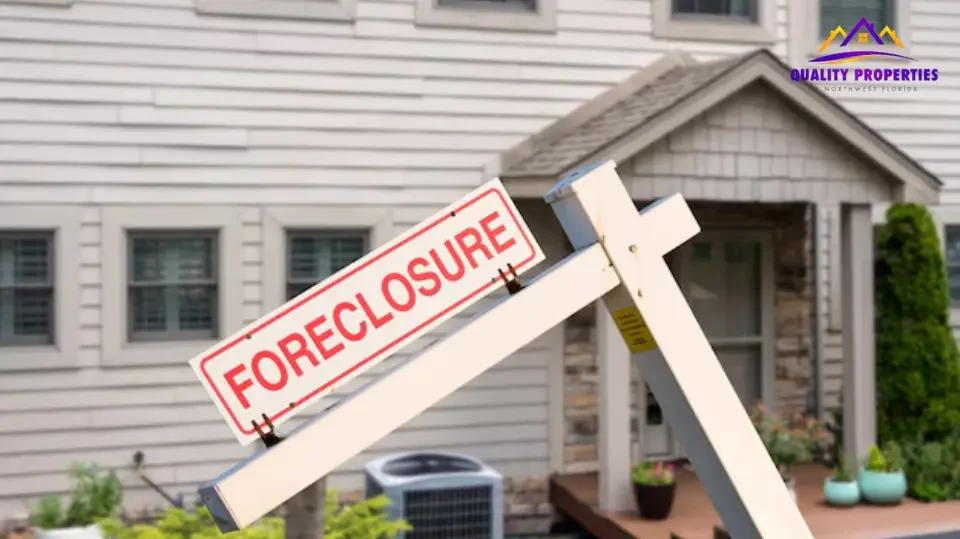
The foreclosure is different. This is a legal process where the bank or lender takes the house away from the owner because they stopped making payments. The bank then sells the house themselves, often at a public auction.
One is a choice made to avoid a bigger disaster. The other is a forced move by the bank.
What does a foreclosure mean for a homeowner?
When we talk about what does foreclosure mean, it basically means the end of the road for a mortgage. It starts with a “notice of default.” This happens after you miss several months of payment. In most states, if you haven’t paid 90 to 120 days, the bank starts the engine on the home foreclosure process.
Foreclosures are often loud and public. Your name might show up in local papers or on legal websites. Eventually, the bank sends an official to tell the owner they must move out. This is called an eviction. Once the house is empty, it becomes a bank-owned property (REO).
According to recent data from late 2025, mortgage delinquency rates have stabilized at around 1.28% for serious cases. While this is low compared to the 2008 crash, it still means thousands of families are facing this tough reality every month.
What is a short sale on a house, and how does it work?
You might ask, what is a short sale on a house? Think of it as a compromise. The owner knows they can’t pay the bill. The bank knows that taking the house back is expensive and slow. So, they agree to let the owner sell it to a new buyer for a lower price.
But how does a short sale work exactly? It isn’t as fast as regular sales.
- The owner finds a buyer.
- The buyer makes an offer.
- The bank looks at the offer and the owner’s financial hardship.
- The bank decides if they will accept the loss.
This can take months. Sometimes it takes six months or even a year just to get a “yes” from the bank. It requires a lot of lender approval for short sale paperwork.
Short sale vs foreclosure
Choosing between a short sale or foreclosure, which is better, is a common question for people in trouble.
Short sale pros and cons
A big pro is your credit score. A short sale usually hurts your score by 50 to 90 points. That sounds like a lot, but a foreclosure can drop it by 160 points or more. Also, you get to move out on your own terms. You aren’t being forced out by the sheriff.
The con is the stress of the wait. You have to find a buyer and hope the bank says okay. If the bank says no, you might end up in foreclosure anyway.
Foreclosure pros and cons
The only real “pro” of a foreclosure for a seller is that it’s over. You don’t have to deal with realtors or showings. You just walk away.
The cons are huge. You lose all your homeowner financial hardship protections. You will have a “foreclosure” mark on your credit for seven years. This makes it very hard to rent a nice apartment or get a car loan.
How it affects your credit
The short sale vs foreclosure credit impact is one of the most important things to think about. Your credit score is like a grade for how you handle money.
- Short Sale: This shows up as “settled” or “paid for less than the full balance.” You might be able to buy a new home in just 2 or 3 years.
- Foreclosure: This is a red flag for lenders. Most banks will make you wait 7 years before they let you get a conventional mortgage again.
Why do banks prefer foreclosures to short sales?
Sometimes people wonder why banks prefer foreclosures to short sales. In the past, banks liked foreclosures because they could just grab the asset and sell it at an auction for cash.
However, in 2026, many banks are actually leaning toward short sales. Why? Because a short sale compared to foreclosures is often cheaper for the bank. They don’t have to pay for lawyers, they don’t have to fix up a trashed house, and they don’t have to pay for a long legal battle. A short sale keeps the house in better shape because the owner is still living there and keeping the lights on.

Which is the better deal?
If you are looking for a bargain, you are likely looking at a short sale vs foreclosure for buyers. Both can save you money, but they come up with different risks.
Risks of buying a short sale home
The biggest risk is time. You might put in an offer and wait four months only for the bank to ask for $20,000 more. Or the owner might decide to do a deed in lieu of foreclosure instead, which cancels your deal. However, the house is usually in “broom clean” condition.
Are foreclosed homes cheaper?
Yes, usually. People often ask whether foreclosure homes are cheaper than regular homes. The answer is almost always yes. Banks want to get these houses off their books. They might price them 20% or 30% below market value.
But there is a catch. Are foreclosed homes cheaper when you count on the repairs? Maybe not. Many foreclosed homes have been empty for a long time. They might have mold, broken pipes, or even missing appliances. You usually buy them “as-is,” which means no repairs from the seller.
Pre foreclosure vs short sale: Understanding the timeline
There is a period called pre-foreclosure. This is the “warning” phase. The bank has started the legal clock, but the auction hasn’t happened yet. This is the best time for a real estate short sale.
The short sale vs foreclosure timeline looks like this:
- Pre-foreclosure: Months 1-4 of missed payments.
- Short Sale Window: This can happen during pre-foreclosure. It takes 3-6 months to close.
- Foreclosure Auction: Usually happens 6-12 months after the first missed payment, depending on the state.
Tips for avoiding foreclosure
If you are a homeowner, you have loss mitigation options. You don’t have to give up.
- Loan Modification: Ask the bank to change your interest rate.
- Forbearance: Ask for a break in payments while you find a job.
- Short Sale: Sell the home and move on with less credit damage.
“The best time to save your home was yesterday; the second-best time is today,” says many real estate experts. Taking action early is the key to avoiding foreclosure.
The role of property ownership transfer
In both cases, a property ownership transfer happens. In a short sale, it goes from the owner to a new buyer. In a foreclosure, it usually goes from the owner to the bank, and then later to a buyer at a foreclosure auction.
For a smooth transition, homeowners often look for a distressed property sale expert. If you need to sell fast, Quality Properties of Northwest Florida LLC is a trusted name that understands the housing market terminology and can help you avoid the auction block.
Final Words
Understanding the difference between short sale and foreclosure can save you thousands of dollars and years of stress. A short sale is a proactive way to handle a bad situation. It protects your credit more and gives you control. A foreclosure is a forced ending that stays on your record for a long time.
Whether you are a buyer looking for a “fixer-upper” or a seller facing a mortgage default options crisis, remember that knowledge is power. The 2026 market is full of opportunities for those who know how to navigate these tricky waters.
FAQs
Is a short sale better than a foreclosure?
Yes, for most people. A short sale does less damage to your credit score and allows you to buy another home much sooner than a foreclosure would.
Can I buy a home after a short sale?
Usually, you only have to wait 2 to 3 years to get a new mortgage after a short sale, whereas a foreclosure often requires a 7-year wait.
How long does a short sale take to close?
It typically takes between 3 to 6 months, but it can take up to a year if there are multiple lenders involved or if the bank is slow to respond.
Can a bank stop foreclosures for a short sale?
Yes. If you find a buyer and start the short sale process, many banks will pause the foreclosure to see if the sale goes through. This is part of their loss mitigation options.
