
Buying a house with an existing radon mitigation system is safe, assuming the system is correctly installed and is kept in good condition. The presence of a mitigation system ensures that a health hazard has been dealt with, turning a high-risk property into one where the risk factor becomes containable.
In this blog, you will find the pros and cons, and the key considerations related to the system. So, let’s see if buying a house with a radon mitigation system is worth it?
Advantages of Purchasing a House with a Radon Reduction System
The benefit of purchasing a home where the radon system is already in place can be very reassuring to the buyer. For one, radon poses various health issues; however, with the mitigation system in place, these health issues can be reduced while saving time, effort, and money. The best part is that instead of experiencing the hassles associated with evaluating the house for radon mitigation systems and repairing them after purchasing the house, you benefit from the house where the radon health concern has already been addressed.
- Hazard Has Been Removed – The first advantage is that the seller has identified a potential health risk and has removed that risk.
- Proof of Reduced Levels – A well-working system together with the test results post-mitigation are the best proof that the levels of radon in the home are in the acceptable EPA levels (less than 4.0 pCi/L, with a goal of less than 2.0 pCi/L).
- Cost and Effort Savings – The setup price for a new radon system can vary from $750 to $3,000 or more depending on the manufacturer. Saving the trouble of setting it up after a purchase is one benefit of the existing system.
- Increased Awareness – System installation can mean that the vendor has been a conscious homeowner to deliver a safe life habitat to their family.
- Negotiating Power – The history of a radon problem, with a system implemented in place, might provide a little negotiating power with regards to price.
Disadvantages/Cons
Although a radon mitigation system provides considerable health benefits, it has some drawbacks that a buyer needs to consider. This system runs 24/7 and needs maintenance, so it comes heavy in pocket. Furthermore, the hardware involved in the system might have some adverse effects on the looks of the property and, and it can impact the view of prospective buyers.
- Ongoing Operating Cost – The fan in the system is constantly working, consuming electricity, so there will be a small additional charge to the electric bill, usually a few dollars a month.
- Maintenance Requirements – The system will require periodic checks (for instance, the level of liquid in the U-Tube manometer needs to be checked) and will require replacement of the fan motor (after 5-10 years).
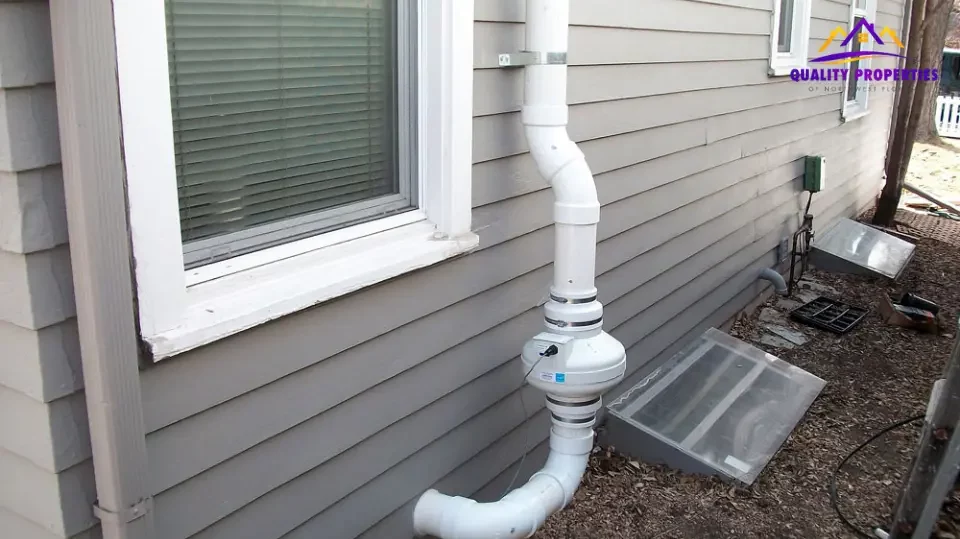
- Aesthetics/Noise – Typically, there will be PVC piping that leads from the basement or crawl space to near the roof line, which can have aesthetic issues. There will be low hum noise generated from the outdoor unit.
- Perception and Resale – Even though this system secures homes, there could be potential buyers who are not comfortable with a house that has elevated levels of radon gas. However, this issue is not that significant since this gas is not common anywhere else.

Key Considerations
Before closing on a house equipped with a radon mitigation system, there are a few additional steps one can take to ensure the system is working properly and offering the protection it should. Paperwork verification, performance testing, and professional review of the system can help verify there are no hidden problems and that the home really does meet the standards for safety.
Verification & Testing
- Review Documentation – The buyer must request all documents from the seller. These include who may have installed the system, details of system installations, and all test results prior to and after mitigation.
- Perform Your Own Test – You will also conduct an independent radon test during your home inspection to ensure that it operates properly after at least 24 hours of system activation.
- Verify the Functionality of the System – One needs to check the functionality of the U-tube manometer, which is the suction-measurement gauge, and ensure that the fan is operating.
Professional Inspection
Hire a certified radon expert to inspect the system during the due diligence period. They can check if it is installed correctly according to EPA norms by assessing if all the cracks are sealed or properly vented above the roofline. Details about radon zones in your area are available on the EPA website, which contains information for the state radon programs for certification.
Conclusion
The installation of a radon mitigation system will never be a reason for you to not purchase a house. This shows that the vendor had been proactive about addressing a known problem related to the environment.
By accepting a home inspection, checking that current low radon levels are still true with a new test, and recognizing limited maintenance that occurs on a regular basis, you can confidently buy a home that is safe for physical well-being. The trouble of current radon protection is much less than a home with high radon exposure. Additionally, it would have been costly to install one yourself.
If you want to sell your house for cash without any hassle? Contact Quality Properties of Northwest Florida LLC, as we provide fast and fair cash offers within a week.
Frequently Asked Questions
Is it safe to buy a home with a radon mitigation system?
Yes, it is safe, providing that the system is properly installed and maintained, and recent radon test results have verified the system is working correctly.
Why would a home already have a radon mitigation system?
It means it produced elevated levels of radon and the seller put in a mitigation system.
Will a radon reduction system reduce radon levels to zero?
No, it does not eliminate radon; instead, it reduces the level to within safe EPA guidelines when properly working.
How would I know whether it is working or not?
Check the U-Tube manometer to make sure the fan is on and run another radon test at the time of inspection.
Should I conduct a radon test prior to purchasing?
Yes, an independent radon test should always be conducted after the system has operated for at least 24 hours.
How much does a radon mitigation system cost to operate?
Most systems will add only a few dollars to your electricity bill each month.
