
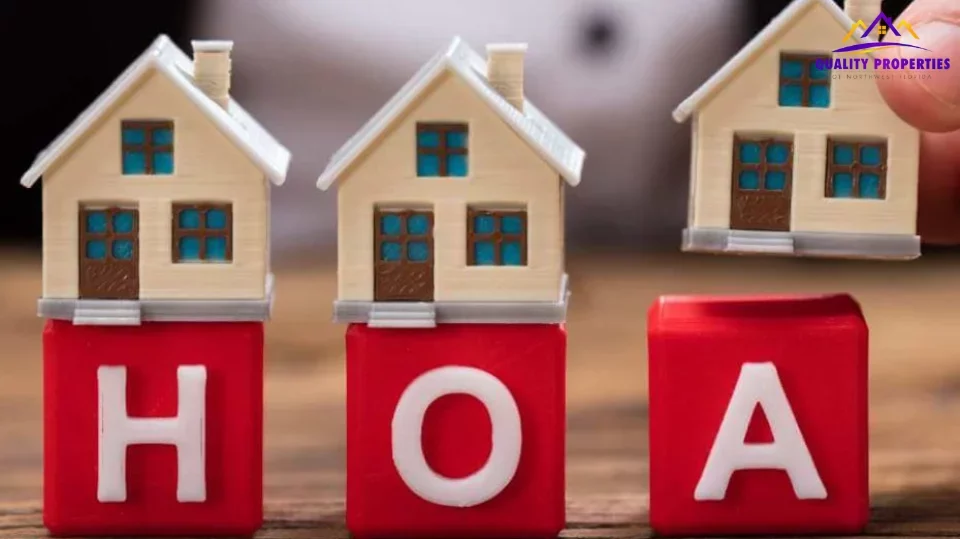
You find a beautiful house online. It has the right number of bedrooms. The kitchen looks great. But then you see a small note at the bottom of the listing. It says there is a monthly fee involved. This brings up a very common question for first-time buyers. You probably want to know what does HOA stand for before you sign any papers. Buying a home is a big deal. You need to know who makes the rules in your new neighborhood. The acronym might sound small, but it has a huge impact on how you live.
The letters H-O-A spell out Homeowners Association. This is a group that manages a neighborhood. When people ask what does hoa stand for, they are often asking about the rules and the money. It is not just a name. It is a legal organization. This group ensures that the community looks good and runs smoothly. In 2026, nearly 78 million Americans live in these types of communities, according to the Foundation for Community Association Research. That is a massive number of people dealing with these boards every day. For homeowners who already feel boxed in by dues and restrictions, exploring a fast, no-obligation cash offer is often a simpler path than fighting the board for years.
HOA Meaning and The Core Definition
To fully grasp what does HOA stand for, you have to look at the structure. An HOA is a legally incorporated organization that collects dues and sets rules for a housing community, typically found in a subdivision, planned community, or condo building. It makes and enforces rules for the properties and their residents. Those who purchase property within an HOA’s jurisdiction automatically become members. You are required to pay fees. These are known as HOA fees. You must follow the rules. There is no opting out if you buy a home there. The main goal is to keep property values high. If your neighbor paints their house bright pink, it might hurt your home value. The HOA stops that from happening.
What Does HOA Stand For in Terms of Daily Life?
Asking what does hoa stand for is also asking about your daily lifestyle. Living here is different from living in a rural area with no rules. You trade some freedom for stability. You know your neighbor won’t park a broken car on the lawn. You know the grass in the park will be cut. This peace of mind is why do hoas exist in the first place. They offer a tidy environment. But this comes at a cost. You have to ask permission for many things. If you want to build a shed, you need approval. If you want to change your mailbox, you need approval. This is central to the HOA definition.

HOA Rules and Regulations (Understanding CC&Rs)
The rules are the backbone of the community. These are often called Covenants, Conditions, and Restrictions. People call them CC&Rs for short. When you ask what does hoa stand for, you are really asking about these documents. HOA rules cover a lot of ground, including:
- The type of fence, roofing, or exterior paint color you’re allowed to use
- Limits on the number or type of pets you can own
- Restrictions on curtain colors or window treatments visible from the street
- Quiet hours and noise limits
- Parking rules, including overnight street parking and where you can store a boat or RV
These hoa guidelines are legally binding. When you buy the deed to the house, you agree to follow them. You cannot say you didn’t know. The title company gives you these papers at closing.
Breaking these rules leads to fines. The board sends a letter first. If you do not fix the issue, they charge you money. This is how they force compliance. It is strict, but it keeps the street looking neat.
What Are HOA Fees? (Dues and Assessments Explained)

Money is a huge factor here. This is a monthly or yearly payment you make to the association. The amount varies wildly. It can be as low as $100 a year or as high as $1,000 a month. It depends on the amenities. If you have a gate, a pool, a gym, and security guards, you will pay more. What is the hoa fee covering specifically? It typically pays for:
- Common-area landscaping and lawn maintenance
- Street and common-area lighting
- Trash removal in some communities
- Insurance for shared buildings and amenities
Did you know? As of 2026, the national average HOA fee runs around $275 to $300 a month, though condo fees often run higher than single-family HOA dues due to shared building maintenance and insurance costs.
What Can an HOA Actually Do? (Enforcement, Fines & Liens)
Many owners underestimate the power of the board. What can an hoa actually do to you? A lot. If you break the rules, they can fine you. If you do not pay the fines or your monthly dues, things get serious. They can sue you. In many states, they can put a lien on your house. This means you cannot sell the house without paying them first. In extreme cases, they can foreclose on your home. Yes, they can take your house to get their money. This is how are hoas legal enforcement works. It is written in the state laws and your property deed. This power is why you must take the bills seriously.
This is a scary thought for some. Dealing with a strict board is stressful. If you find yourself in a deep hole with fees or violations, you might need an exit strategy. For homeowners looking to sell a property quickly to avoid compounding fees, companies like Quality Properties of Northwest Florida LLC can offer a fast solution to get out of the community. Selling fast stops the monthly drain on your wallet.
Are HOAs Legal? Understanding HOA Laws

New buyers often get frustrated and ask, are hoas illegal? The answer is no. They are completely legal corporations. They are governed by state statutes. For example, in California, the Davis-Stirling Common Interest Development Act sets the laws. HOA laws vary by state, but the basic concept is the same everywhere. You enter a contract when you buy the land. Courts uphold these contracts. As long as the HOA does not violate federal laws, like discrimination laws, they are in the clear. They cannot stop you from selling to someone based on race or religion. But they can stop you from painting your house purple.
HOA Pros and Cons: Weighing the Benefits and Drawbacks
Let us look at the good and the bad. Understanding HOA pros and cons helps you decide if this life is for you. This is not a simple choice. It depends on your personality.
Benefits of HOA Living
One of the biggest benefits of hoa neighborhoods is the amenities. You get access to pools, tennis courts, and clubhouses. You do not have to maintain them yourself. You just pay your fee and enjoy the water. Another benefit is conflict resolution. If your neighbor plays loud drums at 2 AM, you do not have to fight them. You call the management. They handle the dispute. This keeps peace between neighbors. Also, property values tend to be more stable. You won’t worry about a junk pile next door ruining your sale price. The community rules enforcement keeps the standard high.
Problems with HOAs
On the flip side, the problems with hoas are clear. The cost is a major issue. HOA fees explained simply are a second mortgage payment for some. HOA fee increases happen often. You have no control over inflation. If the cost of water goes up, your fee goes up. Another con is the loss of freedom. You cannot just build a deck. You need hoa approval. This process takes time. The board might say no. Some people feel like they are living in a dormitory with strict supervisors. HOA disputes can turn ugly and ruin friendships on the block. For owners who’ve simply had enough of rising dues and rule disputes, a straightforward cash sale can close in days without financing contingencies or appraisal delays, which is often faster than waiting out a traditional listing.
What Does HOA Stand For Regarding Maintenance Responsibilities?
When you ask what does hoa stand for, you must think about repairs. Who fixes the roof? In a single-family home HOA, you usually fix your own roof. The HOA handles the shared gates and roads. In a condo or townhome, the HOA often fixes the roof and the outside walls. This is a big difference. HOA maintenance covers the things you share. It usually covers landscaping in common areas. In some “maintenance-free” communities, they even cut the grass in your own backyard. This is great for seniors or busy workers. You never have to touch a lawnmower again.
Planned Community Governance: HOA Bylaws, Boards & Elections

A planned community is designed from the start. It is not random. The streets are laid out for flow. The parks are placed for access. The HOA bylaws are the rulebook for how the corporation runs. They explain how to vote for the board. They explain how meetings work. Governance & compliance are boring words, but they matter. They ensure the board doesn’t steal money. They ensure elections are fair. If you care about your money, you should go to the meetings. You should know how do HOAs work from the inside. You can even run for the board yourself.
If you currently own a home in a restrictive community and feel trapped by the endless rules and rising costs, you have options. You do not have to stay and fight the board forever. Reach out to Quality Properties of Northwest Florida LLC to see how easy it is to sell your home for cash and move to a place with more freedom.
Conclusion:
We have covered a lot of ground, started by asking what does hoa stand for. We learned it stands for Homeowners Association: a legal organization that manages a community’s rules, fees, and shared spaces. We looked at the fees, the rules, and the legal powers an HOA holds, including its ability to fine, place liens on, and in extreme cases foreclose on a property. We saw that while HOAs protect property value and offer amenities, they also limit personal freedom and add a recurring cost. The hoa pros and cons ultimately come down to personality and priorities some people thrive on the structure, while others find it too restrictive. Before you buy, read the CC&Rs. Read the budget. Ask about the reserves. Know what you are signing. Your home is your biggest asset. Make sure the people managing the neighborhood are people you can trust.
Frequently Asked Questions
What does HOA stand for in real estate terms?
HOA stands for Homeowners Association. It is the legal body that governs a community, condominium, or planned development.
Are HOA fees worth it for most homeowners?
It depends on your lifestyle. If you use the gym, pool, and enjoy a landscaped neighborhood, they are worth it. If you want low costs and freedom, they might not be.
Is an HOA good or bad for property values?
Is an HOA good or bad is subjective, but strictly speaking about money, they are usually good. They prevent neglect which keeps home prices higher than in unregulated areas.
What is the purpose of an HOA board?
The purpose of an hoa board is to act as the voice of the residents. They make decisions on budget, repairs, and rule enforcement to keep the community functioning.
Can I refuse to join the HOA?
No. If you buy a home where an HOA exists, membership is mandatory. You cannot buy the house without agreeing to the HOA rules.
How do HOAs work regarding fines?
They spot a violation. They send a warning. If you ignore it, they assess a fine on your account. If you don’t pay, they can pursue legal action.
Can an HOA actually foreclose on my home?
Yes, in extreme cases. If unpaid dues or fines lead to a lien and the debt is never resolved, an HOA can pursue foreclosure under state law, though most boards treat this as a last resort after fines and legal notices.
How much are average HOA fees per month?
Fees vary widely based on amenities and location, but as of 2026 the national average is around $275 to $300 a month. Condos and communities with gates, pools, or on-site staff typically charge more.
Can I sell my house if I still owe HOA dues?
Usually, yes, but any unpaid dues or liens typically have to be settled at closing out of the sale proceeds. Buyers and title companies will require the HOA balance to be cleared before the sale can go through.
What happens if I violate HOA rules?
Most associations start with a written warning and a chance to fix the issue. If the violation continues, the HOA can assess fines, and repeated or unresolved violations can escalate to legal action.
Do all neighborhoods have an HOA?
No. Many older neighborhoods and standalone properties have no HOA at all. Whether a home has one depends on how the subdivision or building was originally developed.
