

Selling a house brings up a mix of big emotions and endless choices. You want to sell your house for the best price. You also want to finish the deal without going crazy. Putting your house on the market takes clear planning. If you miss simple steps, you might lose money or wait months for an offer.
The following is a home selling checklist that takes you from the planning stage to closing at the table. The list includes planning, home preparation, handling of real estate listing information, buyer viewings, and finally signing off the deal at the closing table. If you are a new home seller or an old pro, the home seller checklist will guide you through every process of selling your home.
Phase 1: Initial Planning and Financial Preparation
Before you pull out a paintbrush or hire a real estate agent for selling a house, you need to understand your money goals and your local real estate market.
Figure Out Your Home Equity and Financial Goals
First, call your mortgage company and get a mortgage payoff statement. This official form shows your exact outstanding mortgage balance along with any payoff fees. Subtract this number from what you think your house is worth. The result is your rough home equity.
Next, remember that selling a house costs money. You must account for real estate agent commission fees, local transfer taxes, seller concessions, title insurance, and other closing costs. These costs usually add up to six to ten percent of the final sale price.
Knowing your net sale proceeds helps you plan your next move. It helps you buy another home or move to a new city without sudden money surprises.
Understand the Local Real Estate Market
Homes sell differently depending on where you live and the time of year. A home sale preparation checklist works best when you adjust it for your local housing market. Check if your neighborhood is currently a buyer market or a seller market. In a seller market, inventory is low and prices go up. In a buyer market, buyers have more homes to choose from, so your house must look great to stand out.
How long does it take to sell a house? On average, a standard home sale takes about 30 to 45 days to get an offer. After that, it takes another 30 to 45 days to complete the escrow process. That means the whole journey usually takes two to three months.

Phase 2: Choosing Your Sales Path (Realtor vs. Cash Offer)
When working through your house selling guide, you must decide how you want to sell your property.
Option A: Working with a Local Real Estate Agent
A good agent helps you set the right price by making a comparative market analysis. This detailed report compares your home to similar houses that sold nearby recently. The agent handles marketing, organizes buyer showings, and writes up the listing agreement. In exchange, they charge a real estate agent commission, which is usually split between the listing agent and the buyer agent.
Option B: Selling Your House Without an Agent or to Cash Buyers
Some people choose how to sell a house without a realtor checklist to save money on commission fees. You can list the home yourself as For Sale By Owner. However, you must handle all marketing, buyer showings, paperwork, and contract reviews on your own.
Alternatively, if you want a fast sale without making any repairs, working with cash home buyers is a great choice. You can sell house as-is without fixing broken items, cleaning out old furniture, or hosting stressful open house events.
According to the National Association of Realtors 2025 Home Buyers and Sellers Generational Trends Report, direct cash purchases accounted for nearly 26 percent of all residential real estate transactions nationwide.
If you want to sell house quickly for cash in Florida without taking on extra costs, Quality Properties of Northwest Florida LLC provides clear options for local homeowners.
Phase 3: Gathering Essential Seller Paperwork
Gathering your documents early saves you from delays later on. Keep all these items together in one organized home folder.
Key Documents to Collect Early
- Property Deed: Proves you have legal ownership of the property.
- Property Tax Records: Shows buyers what to expect for annual tax payments.
- Utility Bills: Gives buyers an accurate idea of monthly energy costs.
- HOA Documents: Includes community rules, monthly fees, and bylaws if your property sits inside a homeowners association.
- Appliance Manuals and Home Warranties: Proves past maintenance and gives peace of mind for HVAC units, roofs, and kitchen appliances.
- Seller Disclosure Forms: Required by law in almost every state. You must list all known issues with the property, such as past roof leaks, foundation troubles, or old water damage.
Phase 4: Preparing Your Home for the Market
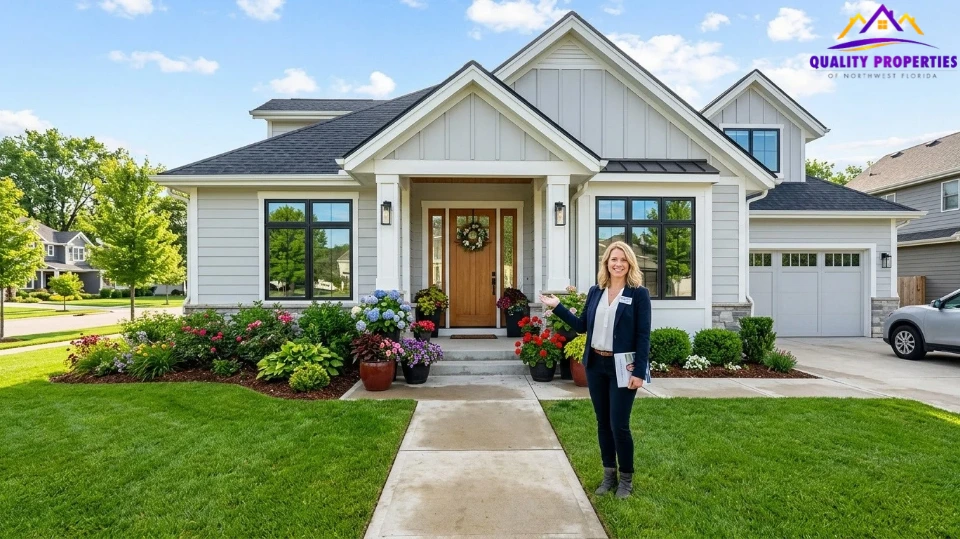
Preparing a property for sale takes effort, but it pays off by attracting higher offers.
How to Prepare Your House for Sale Checklist
Start with a complete house selling checklist for beginners that focuses on cleaning and fixing simple things.
1. Decluttering Your Home
2. Deep Cleaning Everything
3. Handling Minor Home Repairs
4. Boost Curb Appeal
Phase 5: Professional Photography and Listing Setup
Once your house looks great, you are ready to create your real estate listing.
Hiring a Professional Photographer
Most buyers look at homes online before they ever set up a walking tour. High quality photos are crucial for a complete home selling checklist.
- Hire a real estate photographer who uses high definition cameras and bright lighting.
- Ask for a 3D virtual property tour so out of town buyers can walk through the house online.
- Turn on all indoor lights and open window blinds before the photographer arrives.
- Put away pet bowls, trash cans, and personal bathroom items before taking photos.
Writing a High Impact Home Listing
Your property description should highlight the best features of your house. Mention recent updates like a new roof, upgraded HVAC system, or updated kitchen counter spaces. Keep your sentences direct and easy to read.
Phase 6: Showings, Open Houses, and Buyer Negotiations
When your home goes live on local listing services, buyer showings and open house events begin.
Managing Buyer Showings
- Keep the house clean and neat every day while it stays listed.
- Leave the property during showings so potential buyers can talk openly with their agent.
- Secure all valuable items, personal papers, and medication in a safe or away from the house.
- Make sure pets stay out of the home during showings.
Handling Offers and Counteroffer Negotiations
When a buyer wants your house, they submit an official purchase agreement with a purchase offer price. Do not focus only on the offer price. You must also check the purchase conditions carefully.
- Earnest Money Deposit: Check how much money the buyer puts into an escrow account to show they are serious.
- Financial Pre-Approval: Make sure the buyer brings a real mortgage pre-approval letter from a trusted lender.
- Buyer Contingencies: Review clauses like an inspection contingency, appraisal contingency, or sale contingency. These clauses let buyers walk away if something goes wrong.
You can accept the offer, reject it, or send back a counteroffer negotiation with changes to the price or terms.
Phase 7: Inspections, Appraisals, and Closing Preparation
Once you accept an offer, you enter the escrow process.
The Property Inspection Phase
The buyer gets an inspector to inspect the roof, foundation, plumbing, and electrical panels. Following the inspection, the buyer can demand that you either fix the problems or offer concessions for the cost of the repairs. You have three choices.
The Home Appraisal
An appraisal is carried out by the mortgage lender buying the property in order to establish the value of the property. The appraiser will come to your place, measure rooms, and compare your home to other similar sales in the area. If the value equals or exceeds your selling price, your deal is done.
Phase 8: Final Move Out and Settlement

You are almost done with your step-by-step home selling checklist. Now it is time to move out and transfer ownership.
Moving Out and Final Preparation
- Finish your moving arrangements before the scheduled closing date.
- Schedule utility transfers for water, power, gas, and trash services so they change names on closing day.
- Submit an official change of address with the post office.
- Leave all instruction manuals, extra house keys, and garage door openers on the kitchen counter for the new owner.
The Final Walkthrough and Title Closing
A few moments before closing, the buyer does his/her last walk through to confirm that the house is in perfect condition.
Afterwards, you go for the closing ceremony at the title company or real estate lawyer’s office. At this point, you sign the settlement statement, the closing disclosure form, and the deed. As soon as the title search is done and all signatures are completed, the title insurance is issued and the sale is closed.
Selling a House in Unique Situations
Not every house sale follows the simple path. Sometimes life brings sudden changes, and you need special home sale preparation steps for sellers.
Selling a House That Needs Major Repairs
If your home has a leaky roof or broken foundation, traditional buyers might struggle to get a mortgage loan. In these cases, selling a house as-is to investor groups helps you avoid costly fixes.
Selling an Inherited House
Selling an inherited house often involves legal probate steps and multiple family members. Getting a fair valuation quickly helps families split net sale proceeds fairly without long arguments.
Selling During Divorce or Relocation
When you need to sell house before relocating or during a divorce, speed matters most. A quick home sale keeps you from paying double mortgage payments or dealing with long, drawn-out disputes.
If you are facing tough property issues and want a smooth, fast sale without stress, Quality Properties of Northwest Florida LLC provides clear assistance tailored to your needs.
Frequently Asked Questions
What is the first thing I should do when selling my house?
Start by looking at your current financial situation. Get a mortgage payoff statement from your lender to see what you owe.
What repairs should I make before selling my house?
Focus on low cost repairs that yield a strong return. Fix visible issues like leaky faucets, wall cracks, broken light fixtures, and squeaky doors.
What documents do I need to sell my house?
You will need your property deed, recent property tax statements, utility bills, mortgage payoff information, homeowners association records, and legally required seller disclosure forms detailing known property conditions.
How can I sell my house quickly without paying realtor commission fees?
You can choose to sell your home as For Sale By Owner or sell directly to direct cash buyers.
