
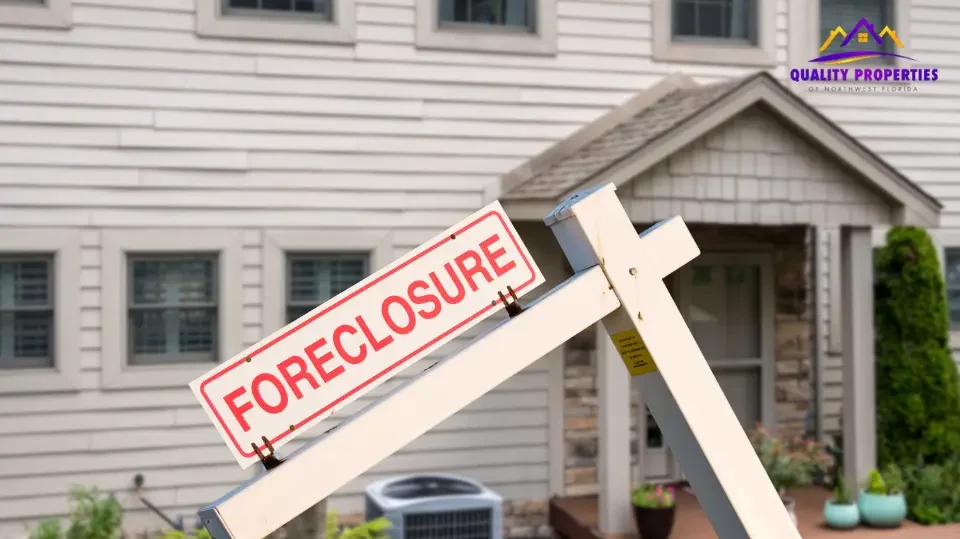
Life can throw some heavy punches. Sometimes those punches hit your wallet and your home. If you are reading this, you might be worried about your mortgage. You are not alone. In early 2026, many families are feeling the squeeze.
Recent data from March 2026 shows that foreclosure filings have climbed about 20% compared to last year. While that sounds scary, here is the good news. You have power. You have legal protection. Understanding homeowner rights in foreclosure is the first step to saving your house. Many people think once they miss a payment, the bank owns the keys. That is simply not true. You have a voice in this process. Whether you live in a state with judicial foreclosure or non-judicial foreclosure, the law has been on your side for a long time.
This guide will walk you through everything you need to know. We will look at how to protect your home from foreclosures legally and what steps you can take today.
What Are My Rights in Foreclosure When I Miss a Payment?
The moment you miss a mortgage payment; a clock starts ticking. But it is a slow clock. Your rights begin before a lawyer ever gets involved. Most people ask what my rights in foreclosure during those first few weeks are. First, you have the right to receive information. Your lender cannot just stay silent and then take the house.
Federal law usually gives you a 120-day window. This is a grace period before formal legal action starts. During this time, you have the right to talk to a person. Not just a computer. You have homeowner rights after missing mortgage payments to request a meeting. You can ask for a foreclosure avoidance assessment. This is where you and the bank look at your money and find a path forward.

The Foreclosure Process Rights
It helps to know how the machine works. The foreclosure process rights explained here show that you have multiple “off ramps” to stop the train.
First, there is a pre-foreclosure phase. You will get a notice of default. This is a formal letter. It tells you exactly how much you owe to catch up. You have the legal right to “cure” the debt. This means that if you pay the back amount, the whole process stops immediately.
Next is the actual legal filing. In some states, this happens in court. This is called judicial foreclosure. Here, you can stand before a judge. You can show if the bank made a mistake. In other states, it happens outside of court. This is a non-judicial foreclosure. Even then, you have rights. You must receive a notice of sale. This notice tells you when an auction might happen.
If you are looking for a quick and fair way to handle your property, Quality Properties of Northwest Florida LLC can help you explore your options.
Can I Stop Foreclosure Legally?
Yes, you can. You are not stuck. There are many foreclosure defense options available to you in 2026. One common way is loan modification. This is where the bank changes the rules of your loan. They might lower the interest rate. They might give you more years to pay.
Another path is a forbearance agreement. This is a pause. If you lost your job but have a new one starting soon, the bank might let you skip payments for a few months. You also have the right to receive a repayment plan. This lets you pay a little extra each month to catch up on the old debt.
Legal Rights During Foreclosure and Mediation
Did you know many states now require mediation? This is a huge win for you. Foreclosure mediation is a meeting with a neutral third party. The mediator helps you and the bank talk. Often, this leads to a deal that keeps you in your home.
You also have equity protection. If your house is worth $400,000 and you only owe $200,000, that extra $200,000 belongs to you. The bank cannot just keep the profit if the house sells at auction. You have the right to any surplus funds after the debt and fees are paid.
Homeowner Protection Laws Foreclosure and Federal Acts
There are big laws that watch over you. The Truth in Lending Act (TILA) and the Real Estate Settlement Procedures Act (RESPA) are your best friends. These laws force lenders to be honest. If they lose your paperwork or charge fake fees, you can fight back.
In 2026, new updates to the FAIR Act have made it even harder for banks to use “abusive” practices. They must give you a single point of contact. You should not have to explain your story to ten different people. You have mortgage protection rights that ensure you are treated like a human being, not a loan number.
Rights Before Foreclosure Sale: The Countdown
As the date of a trustee’s sale gets closer, you still have moves to make. You have rights before foreclosure sale that last until the very end. Most states allow for a reinstatement period. This usually lasts until five days before the sale.
You also have the right to equitable redemption. This means if you can find the money to pay off the entire loan, you can keep the house right up until the hammer falls. Some people use a short sale to settle the debt for less than what is owed. Others use a deed-in-lieu of foreclosure. This is like handing over the keys voluntarily to avoid a bad mark on your credit.
Can a Bank Foreclose Without Notice?
No. This is a common fear, but it is illegal. Whether it is a judicial or non-judicial process, notice is a requirement. If a bank tries to move forward without sending you a notice of default or a notice of sale, they are breaking the law. You can use this as a way to how to fight foreclosure legally. A judge will often throw out a case if the bank doesn’t follow the rules.
What Happens If I Ignore a Foreclosure Notice?
If you ignore the mail, you lose your voice. When you don’t answer, the bank gets a default judgment. This is like losing a game because you didn’t show up playing. Even if you are stressed, open the mail. The first letters often contain the best help. They tell you about government foreclosure help and local programs that can pay your bills.
How Long Does Foreclosure Take Legally?
The timeline depends on where you live. In 2026, the average foreclosure takes between six months and two years. It is not an overnight event. You have time to plan. You have time to talk to a lawyer. You have time to save money.
During this time, can I stay at home during the foreclosure? Yes. You own the home until the day the deed is officially transferred after a sale. You do not have to move out just because you got a scary letter. In fact, staying in the home helps you maintain it and shows you are still invested in the property.

Foreclosure Eviction Rights for Homeowners
Even if the house is sold at an auction, you don’t have to leave that night. You have foreclosure eviction rights for homeowners. The new owner must give you formal notice to quit. This is usually a 3-day or 30-day notice. If you stay past that, they have to go to court to evict you. This process gives you a few more weeks to find a new place to live.
Legal Ways to Stop Foreclosure Sale at the Last Minute
If the sale is tomorrow, you might feel hopeless. But there are legal ways to stop foreclosure sale even then. Filing for bankruptcy is one option. The moment you file, an “automatic stay” goes into effect. This is a legal wall that stops all collection actions, including the sale of your home. It gives you a “breathing spell” to organize your finances.
You can also look into a cash-for-keys arrangement. This is where the bank pays you to move out peacefully and leave the house in good shape. It saves them the cost of a long eviction, and it gives you money for a security deposit on a new apartment.
Understanding Foreclosure Redemption Rights
Some states are very generous. They offer what is called statutory redemption. This is a special right after the sale happened. Foreclosure redemption rights explained simply, mean you might have 6 months or a year to “buy back” your home after the auction. You have to pay the price the buyer paid plus interest, but it is a final safety net for some families.
How to Protect Your Home from Foreclosure Legally in 2026?
To keep your home, you must be proactive. Start by calling a HUD-approved housing counselor. They are free. They know the property repossession laws in your state. They can help you apply for the Homeowner Assistance Fund (HAF). In 2026, many states still have money in this fund to help people who fell behind due to hardships.
For those looking to sell their home quickly to avoid a foreclosure on their record, Quality Properties of Northwest Florida LLC offers a simple and direct solution.
The Reality of Deficiency Judgments
One thing to watch out for is a deficiency judgment. If your home sells $300,000, but you owed $350,000, the bank might come after you for the $50,000 difference. Not all states allow this. You should check your local laws to see if you are protected. In many cases, a good lawyer can negotiate to have this debt wiped away as part of a settlement.
Conclusion
Facing the loss of a home is one of the hardest things a person can go through. But remember, the bank does not want your house. They want money. Because of this, they are often willing to work with you. You have homeowner rights in foreclosure that protect you from being bullied. From the first missed payment to the final eviction notice, you have legal paths to explore. Stay informed, stay in your home as long as possible, and never stop asking for help.
FAQs
How can I stop a foreclosure sale immediately?
The fastest way to stop a sale is usually by filing for bankruptcy or getting a court injunction. Bankruptcy triggers an automatic stay that stops the sale instantly.
Can the bank change my locks while I still live there?
No. As long as you are living in the home, the bank cannot lock you out. This is a violation of your rights. They must wait until the foreclosure and eviction process is completely finished.
How long do I have to move out after the auction?
It varies, but usually you have at least 3 to 30 days. The new owner must serve you with legal notice. If you don’t leave, they must start a court eviction, which can take several more weeks.
Are there programs that help pay my mortgage?
Yes. You should look for the Homeowner Assistance Fund (HAF) in your state. Also, HUD-approved housing counselors can find local grants and programs for you.
Does a foreclosure ruin my credit forever?
No. It stays on your credit report for seven years. However, you can start rebuilding your credit almost immediately after the process ends.
