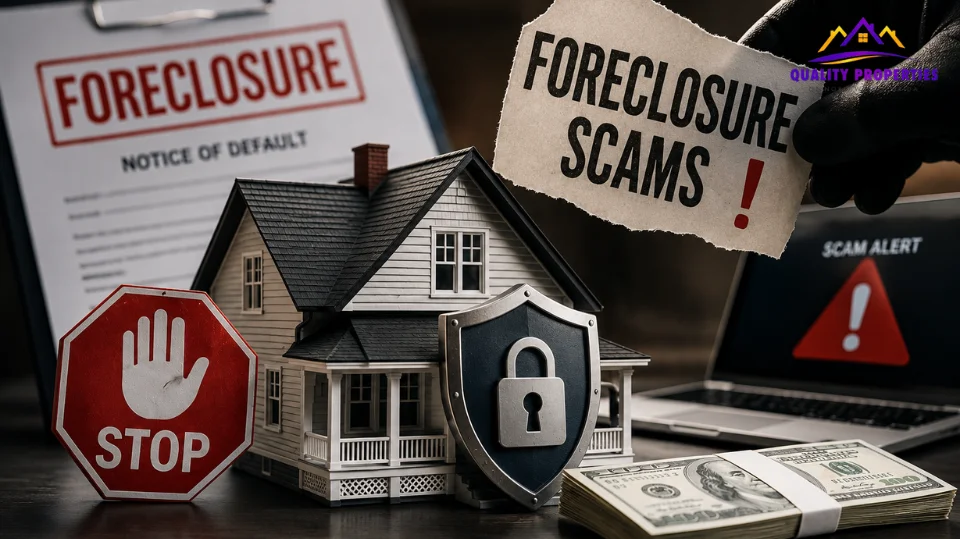
Facing financial pressure when behind on home payments brings immense stress. Falling behind on a mortgage payment can make anyone feel vulnerable and anxious. Scammers know this emotional state very well. They target property owners who receive a notice of default or face mortgage delinquency. Today scam operations use public records to track distressed property files and contact people who need urgent help.
When you want to sell house fast to protect your hard earned credit, knowing how to Avoid Foreclosure Scams is your absolute best defense. This detailed guide walks you through every red flag, legal protection, and safe path forward so you can secure a legal home sale without fear.
Understanding the Growing Threat of Real Estate Fraud
Many property owners wonder what is happening when they receive unexpected phone calls or letters promising quick relief. Scammers monitor public notices at the local County Recorder office every single day. As soon as a mortgage servicer records an official legal document showing default, fraudulent firms send urgent mailers.
Understanding real estate fraud helps you spot danger early. Dishonest operators pretend to be government agencies or official housing representatives. They use legal sounding words and official logos to trick families into signing away their equity.
When you learn to Avoid Foreclosure Scams, you safeguard your property title and your financial future. You can take back control of your situation by working only with verified professionals and trusted organizations.
What is a Foreclosure Rescue Scam?
To protect yourself, you must first ask what is a foreclosure rescue scam? A foreclosure rescue scam happens when a fake company promises to stop your bank action in exchange for high upfront fees or title transfers. These predatory entities claim they have special relationships with your mortgage lender or federal housing offices.
They often promise that they can lower your monthly rate or eliminate your principal balance entirely. In reality, no private company can guarantee changes to your legal contract without direct consent from your mortgage servicer or mortgage lender.
How Do Foreclosure Scammers Work?
Understanding how do foreclosure scammers work allows you to see right through their aggressive tactics. These bad actors usually monitor court dockets and public property records for default notice filings. Within days, they reach out via mail, text, phone calls, or targeted social media ads.
They often create a false sense of urgency. They tell you that you only have twenty four hours to act or you will lose your property ownership completely. They tell you to stop talking to your mortgage lender or your HUD approved counselor.
Is It Legal to Charge Upfront Foreclosure Fees?
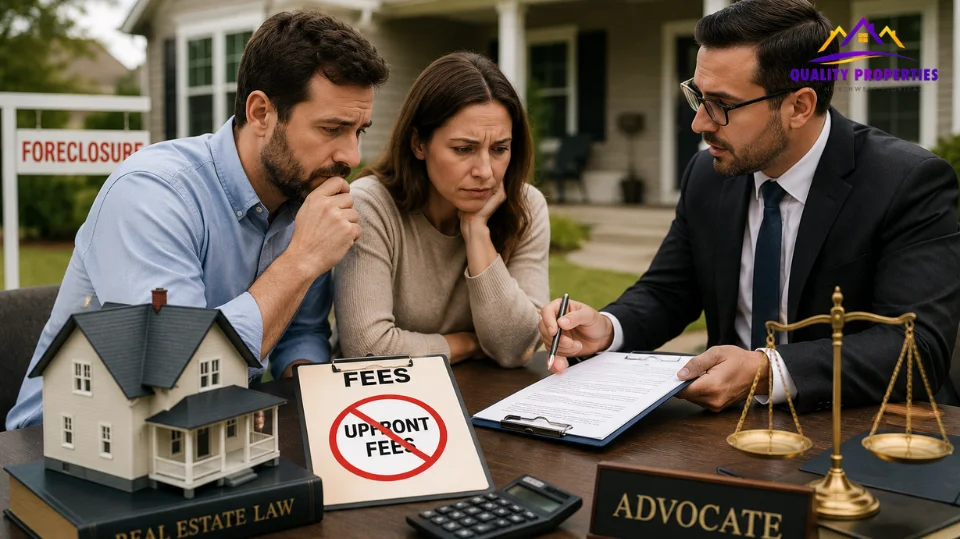
A common question distressed homeowners ask is, is it legal to charge upfront foreclosure fees? The answer according to federal law is an absolute no. Under rules established by the Consumer Financial Protection Bureau and the Federal Trade Commission, companies providing mortgage relief services cannot collect fees before they deliver a acceptable result.
Any company asking for money upfront before your mortgage lender modifies your loan is violating federal consumer protection laws. This rule exists specifically to stop foreclosure assistance scams from stealing money from vulnerable families.
Top Signs of Foreclosure Scams and Red Flags
Learning the clear signs of foreclosure scams allows you to evaluate offers quickly and safely. Scammers rely on specific patterns that always trigger immediate concern.
One major red flag is a firm asking you to make your mortgage payment directly to them instead of your official loan servicer. Another massive warning sign is when a consultant tells you to stop all direct contact with your mortgage lender. Your lender is the only institution that can modify your loan terms or halt legal proceedings.
If you want a safe cash offer without hidden fees or stressful repairs, you can turn to trusted local specialists like Quality Properties of Northwest Florida LLC for transparent assistance.

What Are Mortgage Relief Scams?
Many people ask what are mortgage relief scams and how do they differ from normal refinancing options? Mortgage relief scams target borrowers struggling with financial hardship by offering fake assistance programs. Scammers often pretend to represent programs from the Federal Housing Administration or the Department of Housing and Urban Development.
Unmasking Home Equity Theft and Title Fraud
One of the most dangerous housing scams today is home equity theft. This occurs when dishonest operators steal the financial value you built in your property over years of hard work. Scammers use complex schemes to trick homeowners into giving up ownership while believing they are getting help.
Can Someone Steal My Home Title?
Many anxious property owners ask, can someone steal my home title? The sad reality is that title fraud and deed theft happen regularly across the nation. Fraudulent entities can forge your signature on legal documents or trick you into signing deed transfer papers without your knowledge.
Once a scammer gets your title, they can take out loans against your equity or sell the property to an unsuspecting third party. They can even attempt to evict you from your own living room.
Protecting your title requires caution. Never sign any legal documents without having a licensed real estate attorney or a HUD approved counselor review them first. Always check public records periodically at your local county court office to ensure your deed remains strictly in your name.
Beware of Fake Cash Home Buyers and Distressed Property Schemes
When you decide to sell your home, you will likely encounter investors offering cash solutions. While many real estate buyers operate ethically, fake cash home buyers create serious financial traps for vulnerable owners.
A fake cash buyer scam usually involves an investor making a high verbal cash offer to get you to accept. They then delay the real estate closing process until the last minute before the foreclosure sale. Right before the sale date, they demand a massive price reduction, knowing you have no time left to find another buyer.
How to Verify Cash Home Buyers Before Signing Anything
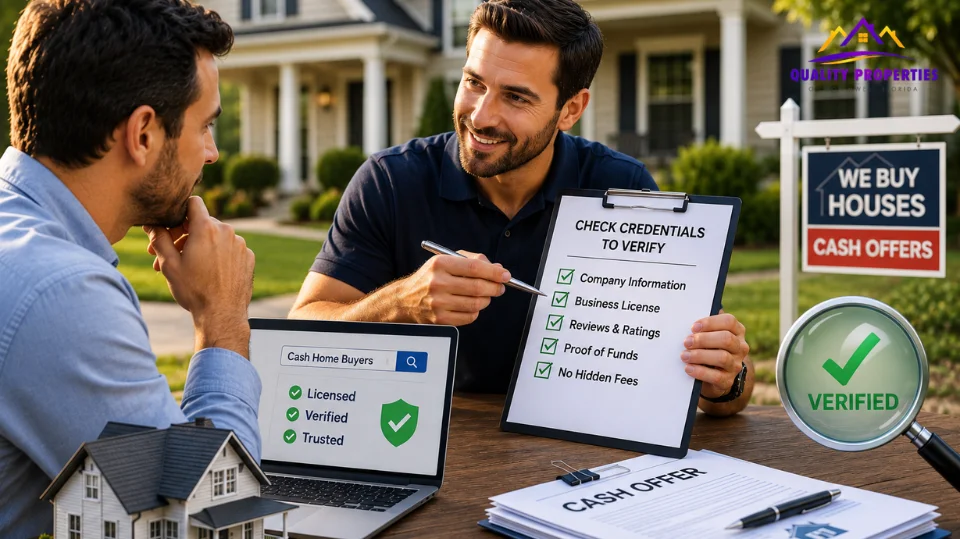
Knowing how to verify cash home buyers is essential when you decide to sell house before foreclosure. A legitimate cash buyer will always provide verifiable proof of funds from an established financial institution.
Ask the buyer for a bank letter showing available funds. Verify their business registration with your state department. Check online reviews and ask for references from recent home sellers in your local area.
Should I Transfer My Deed or Use a Quitclaim Deed?
Homeowners in distress often wonder, should I transfer my deed to an investor or counseling service? The simple answer is almost always no. Transferring your deed means giving away your property ownership completely.
Can I Sell My Home During Foreclosure?
A crucial question many owners ask is, can I sell my home during foreclosure? Yes, you can sell your property at any point until the final foreclosure sale takes place. Selling house in foreclosure process is a completely legal and smart strategy to preserve your equity and protect your credit score from long term damage.
For distressed homeowners in Florida who want a fast, direct, and transparent resolution, Quality Properties of Northwest Florida LLC provides fair cash solutions without high sales fees or hidden costs.
Are Foreclosure Consultants Legitimate?
Homeowners often ask, are foreclosure consultants legitimate? While some private consultants are licensed, many operate as an unregulated foreclosure consultant scam. They charge high fees for simple tasks that you or a free housing counselor can do for free.
Can a foreclosure rescue company be trusted? You must exercise extreme caution. If a consultant promises guaranteed results, demands upfront money, or insists on handling all talks with your lender alone, walk away immediately.
How Do I Report Foreclosure Fraud?
If you encounter a housing scam or fall victim to mortgage assistance fraud, knowing how do I report foreclosure fraud helps protect your entire community. Reporting fraudulent operations enables state and federal authorities to take legal action and shut down predatory companies.
You can report fraud directly to the Federal Trade Commission through their online reporting portal. You should also file a formal complaint with the Consumer Financial Protection Bureau and your state Attorney General office.
Contact local law enforcement if you suspect immediate identity theft or wire fraud. Providing details about fake contracts and payment receipts helps authorities build strong legal cases against scammers.
FAQs
Can I sell my home during foreclosure?
Yes, you can legally sell your home at any time before the final court foreclosure sale happens.
Is it legal to charge upfront foreclosure fees?
No, federal law strictly prohibits mortgage relief companies from charging fees before they deliver a signed loan modification or relief agreement from your lender.
How do foreclosure scammers work?
Scammers locate distressed property owners using public court records. They offer fake guarantees, demand upfront fees, and try to trick homeowners into signing over deed titles or stopping contact with their mortgage lenders.
Can someone steal my home title?
Yes, scammers can commit title fraud by using forged signatures or tricking you into signing a quitclaim deed.
What are mortgage relief scams?
Mortgage relief scams are fraudulent programs that claim to lower your loan payments or eliminate debt for a fee.
What is home equity theft?
Home equity theft occurs when dishonest buyers or scammers use deceptive contracts or forced title transfers to strip away the financial equity you have built in your property.
Who should I contact before foreclosure?
You should immediately contact your mortgage servicer, a HUD approved housing counselor, and a qualified real estate attorney.
Are foreclosure consultants legitimate?
While some licensed realtors and housing counselors offer legitimate advice, many private foreclosure consultants run scams.
How do I report foreclosure fraud?
You can report foreclosure fraud to the Federal Trade Commission, the Consumer Financial Protection Bureau, your state Attorney General, and local law enforcement agencies.
