
Losing a home is scary. Many families in the United States face this exact worry today. In fact, early 2026 stats shows a rising trend in mortgage defaults. According to reports from ATTOM, foreclosure filings in April 2026 jumped 18 percent compared to the previous year. Lenders started foreclosure on over 28,000 properties in that month alone. The Mortgage Bankers Association also reported that the national delinquency rate rose to 4.44 percent in the first quarter of 2026. FHA loans saw a massive 11.88 percent delinquency rate. These numbers show that you are not alone in this struggle.
If you are behind payments, you might wonder about your next step. Can you still sell your house? Yes, you can. However, the process is very tricky. This is where a legal expert comes in. A lawyer can help you navigate the system and save your equity.
Let us look at how you can take back control of your future.
Understanding the Pre Foreclosure Period
The journey starts when you miss a few mortgage payments. This early stage is called pre-foreclosure. It is your best window of opportunity to take action. You still own the home during this time. The bank has not taken it yet. This means you have a real chance to fix the situation before things get worse.
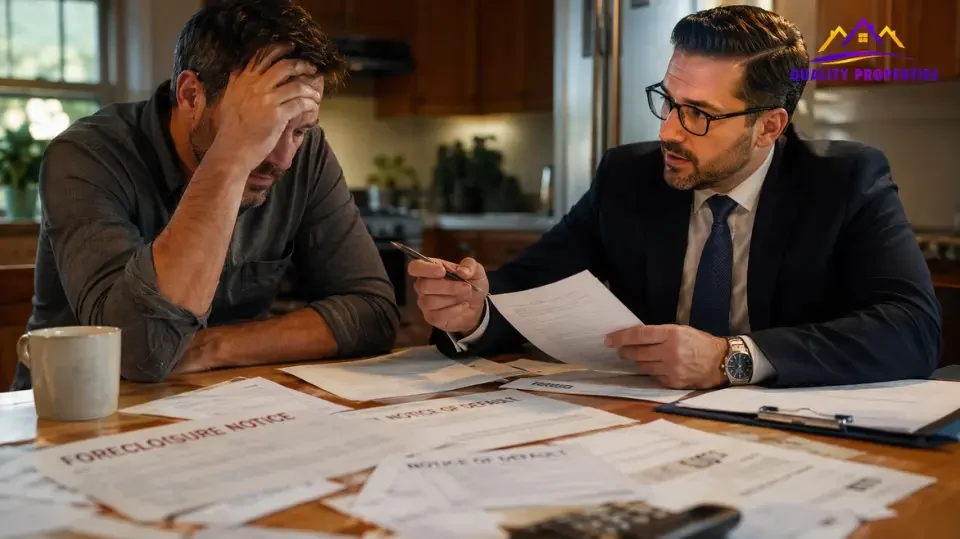
First, you will receive a notice of default in your mail. This is an official foreclosure notice from your mortgage servicer. It states that you are behind on your payments. The bank is warning you that they will start legal action if you do not pay. It can feel like a heavy blow. Your stress levels might shoot through the roof.
Why Selling a Home During Foreclosure is a Wise Option
Many people ask, “Can I sell my house in foreclosure?” The simple answer is yes. You can sell your property up until the moment the gavel falls at the auction. Selling a home during foreclosure allows you to use your home equity to clear your delinquent mortgage.
If your home is worth more than what you owe, you can keep the extra cash. You can use those sale proceeds to start over in a new place. Even if you do not walk away with cash, paying off the loan stops the damage to your credit score. A foreclosure on your record can ruin your credit for seven years. Selling the home is a much better path.
How a Foreclosure Attorney Protects Your Legal Rights
The legal system is full of complex rules. Lenders have giant teams of lawyers on their side. You need someone by your side too. A licensed foreclosure attorney knows how to protect your assets. They understand state laws and can spot mistakes made by your lender.
An experienced lawyer will review your loan documents. They look for title defects or errors in how the bank handled your payments. If they find mistakes, they can use them as a leverage. This leverage gives you more time to sell. It forces the bank to play fairly.
Your attorney’s help with foreclosure will make sure you understand every paper you sign. Lenders might try to rush you into a bad deal. A lawyer acts as your shield. They make sure you do not sign away your rights or your equity.
The Difference Between Judicial Foreclosure and Nonjudicial Foreclosure
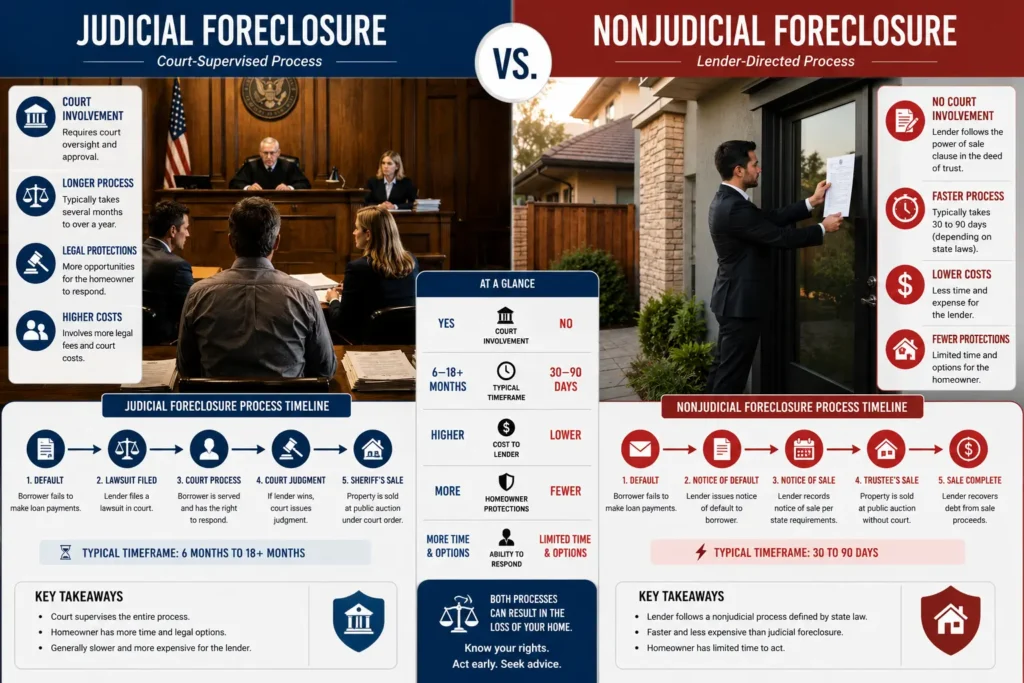
In a judicial foreclosure, the lender must file a lawsuit against you. The bank will file a document called a lis pendens. This is a public notice that a lawsuit is active against your property. If this happens, you need a judicial foreclosure attorney. They will represent you in court and file answers to the bank’s lawsuit. This court process can take several months. It gives you valuable time to find a buyer.
In a nonjudicial foreclosure, the lender does not need a judge to sell your home. They can sell the home through a trustee sale or a sheriff sale. This process moves much faster. The auction date is set quickly. In this case, you must act fast. A real estate attorney foreclosure expert can help you stop the clock before the sale happens.
How a Lawyer to Stop Foreclosure Sale Buys You Vital Time
If the auction date is close, you might feel hopeless. You might think it is too late to sell. However, a lawyer to stop foreclosure sale can help. They can file an emergency motion in court. This motion asks the judge to pause the sale.
Another option is a bankruptcy alternative. Filing for bankruptcy stops all collection activity instantly. This includes the foreclosure sale. bankruptcy might not be your final goal, but it buys you time. Your lawyer can use this time to finalize a sale to a cash buyer.
Stopping the sale gives you room to breathe. It allows you to complete the closing process without the fear of immediate eviction. This breathing room is crucial for getting the best price for your home.
Navigating Lender Negotiations and Loss Mitigation
Lenders do not actually want your house. They want money. Managing the property and selling it is a hassle for them. Therefore, they are often willing to talk. However, they prefer talking to professionals.
Your lawyer will handle all lender negotiations for you. They will talk directly to your mortgage servicer. They can apply for loss mitigation programs. These are options designed to prevent foreclosure. They include a loan modification or a repayment plan.
The Role of a Short Sale Attorney When You Owe Too Much
Sometimes, your home is worth less than your unpaid loan balance. This is called underwater. In this case, you cannot sell the home for enough cash to pay off the bank. You will need a short sale attorney to help you.
A short sale is when the lender agrees to accept less than the full amount owed. Getting lender approval foreclosure sale in a short sale is not easy. The bank will demand to see a full financial package. They will want proof that you are facing a real hardship.
Your attorney will submit the short sale approval request. They will negotiate with the lender to forgive the remaining debt. This is important because the bank might try to get a deficiency judgment against you. A deficiency judgment means you still owe the bank the leftover money even after they take the house. A good lawyer will negotiate to waive this judgment.
Clearing Title Issues, Liens, and Second Mortgages
Before you can sell your home, the buyer will order a title search. This search looks at the public records of your property. It checks if anyone else has a claim to your home.
It is common for distressed properties to have title issues. You might have a second mortgage at home. You could have a judgment lien from a credit card company. The government might have a tax lien for unpaid property taxes. All of these liens must be resolved before a sale can close.
Your foreclosure sale attorney will work to clear these issues. They will contact the lienholders to negotiate payoffs. Sometimes, they can get these creditors to accept a lower amount. This ensures you can deliver a clean title to the buyer and close the deal successfully.
The Step-by-Step Guide to Selling Home Before Foreclosure Auction
Selling home before foreclosure auction requires a clear plan. You must follow specific steps to ensure success. Your legal team will guide you through each stage.
- First, you need to know exactly how much you owe. Your lawyer will request a payoff statement and a payoff demand from your lender. This statement shows your principal balance, interest, and all mortgage arrears. It tells you the exact amount needed to clear the debt.
- Second, you must decide how to sell it. You can list the home with a real estate agent. This can give you a higher price, but it takes time. If the auction date is weeks away, a regular sale might be too slow. Another option is selling to a professional cash buyer.
You can work with Quality Properties of Northwest Florida LLC for a quick cash offer.
A cash buyer can close the deal in a few days. They buy the home in its current condition. This means you do not have to spend money on repairs or cleaning.
- Third, once you have an offer, you will sign a purchase contract. Your attorney will review this contract to make sure your interests are protected. They will ensure the terms are fair, and the timeline is realistic.
- Fourth, the buyer will open an escrow and deposit the funds. The closing agent will coordinate with your lawyer to prepare the deed transfer. This transfer officially hands over the property to the new owner.
Finally, on closing day, you will review the final settlement statement. This document lists all the costs and where the money goes. The bank gets paid; the liens are cleared, and you get any remaining home equity.

Taking Action to Reclaim Your Peace of Mind
Facing a default notice is hard. It is easy to feel overwhelmed and do nothing. However, doing nothing is the worst choice. The bank will eventually take your home and leave you with damaged credit.
By selling a home during foreclosure, you take control. You decide how your story ends. You protect your family, your credit, and your future.
Getting the right help is the key to success. A professional lawyer can guide you through the complex legal maze. They can buy you time, negotiate with your lender, and clear title issues. With their help, you can turn a scary situation into a fresh start. You can reach out to Quality Properties of Northwest Florida LLC to sell your house fast and stop the stress.
Take the first step today. Talk to an expert, understand your rights, and explore your options. You have the power to overcome this challenge and move forward with your life.
FAQs
Can I sell my house if the bank has already started foreclosure?
Yes, you can sell your home at any point during the pre-foreclosure phase. You own the home until the bank sells it at a public auction. Selling the property allows you to pay off the debt and protect your credit.
How can a foreclosure attorney help me sell my home?
An attorney can help by negotiating with your lender to delay the foreclosure sale. They can also help you get short sale approval if you owe more than the home is worth. They review all contracts and clear any liens or title defects.
Do I need a short sale attorney if I am underwater?
Yes, a short sale attorney is vital if you owe more than your home is worth. They will negotiate with your lender to accept a lower payoff and waive any deficiency judgments.
How long does the foreclosure process take?
The timeline varies by state and type of foreclosure. It can take anywhere from a few months to over a year. Your attorney can explain the exact timeline for your area.
