
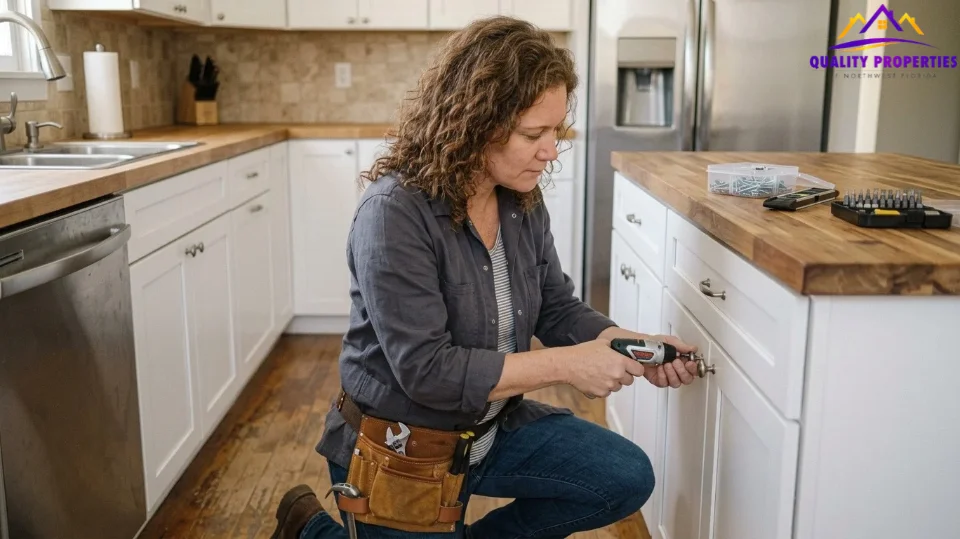
Keeping up with regular maintenance and making necessary repairs brings more long-term value to a rental property, especially if you’d like to sell your Pensacola rental property in the near future. There are smart ways to save money on repairs while still keeping your property in tip-top shape.
Repairs aren’t the place to skimp on quality, but there are some great ways to lower repair costs on your Pensacola, Florida rentals. Below, the team at Quality Properties of Northwest Florida shares some of our favorite ways landlords can save money making repairs on Pensacola investment properties.
Build a Reliable Team of Contractors and Cleaners
Partner with contractors you can turn to again and again. You’ll have peace of mind knowing the repairs are done properly by someone who is true to their word. You won’t have to worry about poor work ethic or repairs being done the wrong way. A trusted team also tends to give repeat customers better pricing and faster scheduling.
A solid go-to team usually includes:
- A general handyman for small, everyday fixes
- A licensed plumber and electrician
- An HVAC technician (essential in Florida’s heat and humidity)
- A cleaning service that can handle the cleanup once repairs are done
Always confirm a contractor’s license status with the Florida Department of Business and Professional Regulation before hiring.
Schedule Repairs Yourself Instead of Leaving Them to Tenants
When you leave repairs up to tenants, it’s like handing them a blank check. They aren’t going to worry about saving you money. They’re going to worry about getting the problem fixed. If you want repairs done right and at a fair price, it’s best to handle them yourself and find your own people to do the job.
Once the repairs are completed, you can make sure they meet your standards. If your tenant had chosen the vendor, you might find yourself paying for poor workmanship.
It also helps to know your responsibilities. Under Florida Statute 83.51, landlords must keep the structural components of a rental, such as roofs, windows, doors, floors and exterior walls, in good repair, and must keep plumbing in reasonable working condition.

Screen Your Tenants Thoroughly to Prevent Damage
Sometimes repairs are needed because a tenant caused the damage. One way to avoid that is to screen your tenants thoroughly:
- Talk to your prospective tenant’s past landlords
- Run background checks on anyone who will be living in your home
- Don’t skip screening, even if you know the person who wants to move in. Don’t assume they’ll take as good care of your property as you need them to
Always encourage your tenants to report any problems or unusual things they notice. In Pensacola’s humid Gulf Coast climate, a small leak can turn into mold and major water damage quickly. If your tenant helps you discover a leak right away, you could save thousands in water damage costs you would otherwise have faced.
Make Simple Repairs Yourself (and Know When to Call a Pro)
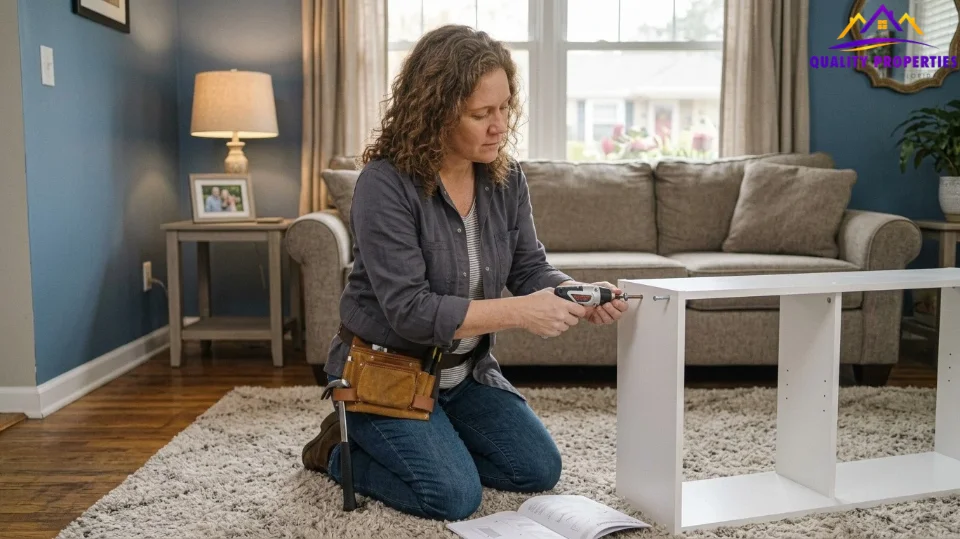
You don’t need to be a carpenter or plumber to handle basic repairs. Many things can be done with just a little elbow grease, such as:
- Replacing air filters and smoke detector batteries
- Patching small drywall holes and touching up paint
- Fixing running toilets or dripping faucets
- Re-caulking tubs, sinks and windows
Of course, this should only be done if you’re confident in your abilities and know what you’re doing. Don’t bite off more than you can chew, or you’ll likely end up with even more repairs to make! Electrical work, major plumbing, roofing and anything involving structural issues are best left to licensed professionals.
Sometimes the DIY side of being a landlord can seem unglamorous, but when you see that tremendous ROI, it suddenly won’t seem to matter so much. If you’re also thinking ahead to a sale, our guide to home fixes worth completing before selling can help you decide which repairs are worth the money.
Conclusion
Landlords face many costs over the life of their investment. Building a reliable contractor team, managing repairs yourself, screening tenants carefully and handling simple fixes on your own can all keep repair costs under control. By making repairs cost-efficiently, you protect your property’s value and keep more of your rental profits in your pocket.
Frequently Asked Questions
How much should a landlord budget for repairs each year?
A common rule of thumb is to set aside about 1% of the property’s value per year for maintenance and repairs. Older homes or properties with deferred maintenance may need more.
Who pays for repairs in a Florida rental, the landlord or the tenant?
Generally, the landlord is responsible for structural components and plumbing under Florida law, while tenants are responsible for damage they cause beyond normal wear and tear. Check your lease and Florida Statute 83.51 for specifics.
Are rental property repairs tax deductible?
In general, ordinary repair costs on a rental can be deducted in the year you pay for them, while larger improvements are typically depreciated over time. The IRS explains the difference in Publication 527 on residential rental property. Confirm your situation with a tax professional.
Is it cheaper to do rental repairs myself?
For simple jobs like caulking, painting and replacing filters, yes. For electrical, major plumbing or structural work, hiring a licensed pro usually costs less than fixing a failed DIY attempt.
What if the repairs cost more than my rental is worth?
If a property needs more work than makes financial sense, selling as-is can be a smart alternative. Compare the repair costs, lost rent and your timeline before deciding.
